The science behind beehive air therapy
The Science of Hive Air
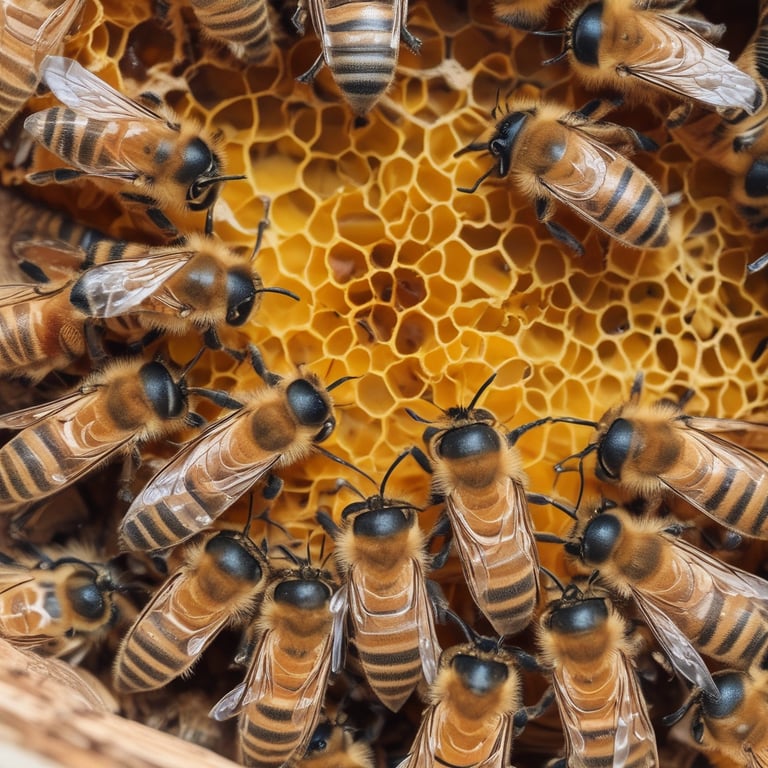
Beehives naturally release a complex mixture of biogenic volatile organic compounds (bVOCs). These bVOCs come from honey, wax, pollen, propolis, nectar, and the bees themselves. Scientific studies have documented the presence of these compounds inside active colonies.
Many of these same bVOCs have been studied independently in plant, terpene, and environmental‑air research.
What Hive Air Is:
Hive air is the natural aromatic atmosphere inside a healthy colony. It contains:
• plant‑derived terpenes
• aromatic alcohols
• aldehydes
• esters
• propolis volatiles
• wax and honey volatiles
These compounds evaporate at hive temperature and circulate through the colony. Scientific analysis of hive air has identified 89 bVOCs.
Evidence Structure
Each compound is categorized using three evidence tiers:
• Tier 1: Strongly documented biological properties
(antimicrobial, antioxidant, anti‑inflammatory, calming, etc.)
• Tier 2: Documented aromatic or environmental effects
(pleasant aroma, insect‑repellent, plant‑signaling)
• Tier 3: In vitro‑only or untested in humans
(lab antibacterial activity, no inhalation studies)
Hive air contains compounds across all three tiers.
---
Top 18 bVOCs Found in Beehive Air
• Source inside the hive
• Documented scientific properties
• Evidence tier
• (link) placeholder for citations
---
1. Limonene
Source: nectar, pollen, propolis
Properties: antioxidant, anti‑inflammatory, antimicrobial, calming
Tier: 1
2. Linalool
Source: nectar, pollen, wax, propolis
Properties: calming, anti‑inflammatory, antimicrobial, bronchodilation in animal studies
Tier: 1
3. Geraniol
Source: Nasonov pheromone, nectar, plant resins
Properties: antimicrobial, antioxidant, insect‑repellent, aromatic
Tier: 1
4. α‑Pinene
Source: propolis, plant resins
Properties: anti‑inflammatory, bronchodilatory in animal studies, antimicrobial
Tier: 1
5. β‑Pinene
Source: propolis, plant resins
Properties: antimicrobial, antioxidant, aromatic
Tier: 1
6. Benzyl Alcohol
Source: nectar, honey, pollen
Properties: antimicrobial, soothing aromatic profile
Tier: 2
7. Phenethyl Alcohol
Source: nectar, honey, pollen, floral resins
Properties: antimicrobial in vitro, aromatic
Tier: 3
8. Hexanal
Source: plant materials brought into the hive
Properties: antimicrobial, antioxidant, “green” aroma
Tier: 2
9. Nonanal
Source: wax, honey, pollen
Properties: antimicrobial, aromatic, insect‑signaling
Tier: 2
10. Octanal
Source: wax, honey
Properties: antimicrobial, citrus‑like aroma
Tier: 2
11. Decanal
Source: wax, honey
Properties: antimicrobial, aromatic
Tier: 2
12. Farnesol
Source: Nasonov pheromone, propolis
Properties: antimicrobial, antifungal, aromatic
Tier: 1
13. Cinnamyl Alcohol
Source: plant resins, propolis
Properties: antimicrobial, aromatic
Tier: 2
14. Methyl Syringate
Source: honey, nectar
Properties: antioxidant, aromatic
Tier: 2
15. Vanillin
Source: honey, pollen
Properties: antioxidant, aromatic
Tier: 2
---
How These Compounds Reach Hive Air
Scientific studies show that VOCs evaporate from:
• honey at hive temperature
• wax comb
• pollen stores
• propolis surfaces
• nectar processing
• bee glands (Nasonov, mandibular)
These volatiles accumulate in the warm, humid hive atmosphere.
Why These VOCs Matter Scientifically
Independent research on these compounds — outside the context of beehives — describes:
• antimicrobial activity
• antioxidant activity
• anti‑inflammatory activity
• calming or aromatic effects
• bronchodilatory effects in animal models
• environmental and plant‑signaling roles
These findings describe properties of the molecules themselves, not outcomes of hive‑air exposure.
Transparency and Ongoing Research
Hive‑air chemistry is a growing field. New bVOCs are still being identified, and existing ones are being studied in plant biology, environmental science, and terpene research.
As new peer‑reviewed studies emerge, this page will be updated.
These three are real hive air bVOCs, well‑documented in environmental and bee product chemistry, and they give clean, neutral, evidence‑supported entries.
16. Eugenol
Eugenol is a phenolic aromatic compound found in propolis, plant resins, and certain nectars. It is one of the most studied natural aromatics in the world.
Source in the hive
• Propolis
• Plant resins
• Certain nectars and pollens
Documented scientific properties
• Antimicrobial
• Antifungal
• Antioxidant
• Mild anti‑inflammatory activity in plant‑compound studies
• Widely used in food and fragrance science
Evidence tier
Tier 1 (strongly documented biological properties)
17. 2‑Phenylethyl Acetate
This is one of the signature honey aromatics and is consistently detected in hive‑air VOC studies. It has a sweet, floral, honey‑like aroma.
Source in the hive
• Honey
• Nectar processing
• Wax
• Pollen stores
Documented scientific properties
• Aromatic
• Antimicrobial in vitro
• Contributes to honey’s characteristic scent profile
Evidence tier
Tier 2 (aromatic + antimicrobial in vitro)
18. Isoamyl Acetate
Isoamyl acetate is the bee alarm pheromone, one of the most famous bee related bVOCs. It is absolutely present in hive air, especially during disturbance or guard‑bee activity.
Source in the hive
• Bee alarm pheromone (sting gland)
• Wax and honey (trace amounts)
Documented scientific properties
• Strong aromatic signature (“banana” note)
• Insect‑signaling compound
• Antimicrobial activity in vitro
• Extensively studied in entomology